At First Light Recovery we offer residential treatment for adults between the ages of 18 and 59 who are looking for more support than regular therapy offers. Instead of a hospital, patients can stay at live-in homes in the city of San Juan Capistrano as well as Mission Viejo.
We were founded in the year 2014 and are CARF-accredited. We offer a residential program with onsite therapists, mental health technicians, and personalized treatment plans that are built around your ideal future.
If you or someone you love has tried outpatient therapy, or short-term hospital stay already without any lasting success, this program can offer the help that is needed. Read more to find out what our residential care program involves, who we’re helping, and how you can get started. We can admit patients around the clock, just reach out to us through our number at (949) 844-3573 or Admissions@FirstLightRecovery.com.
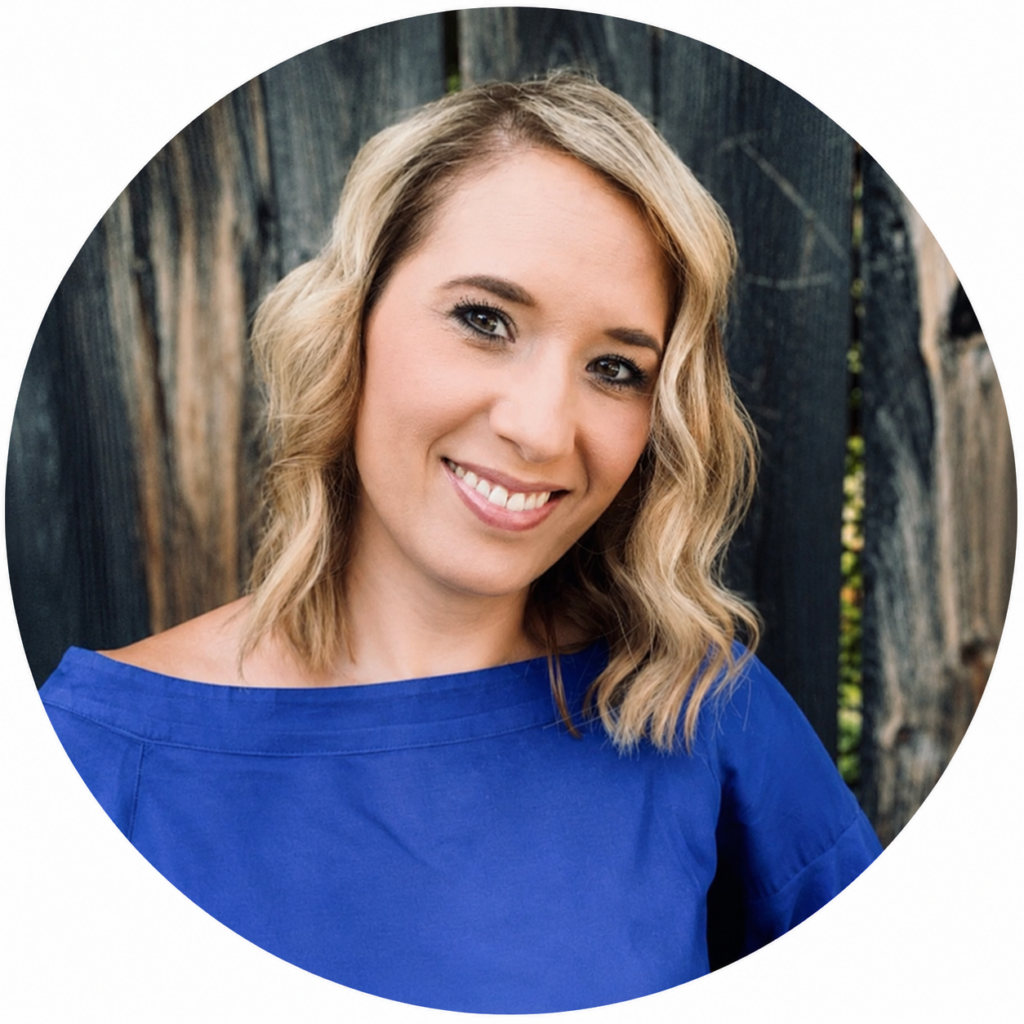
Jennifer Worley, M.A LMFT #97125

Dr. Turner

Once you commit to residential treatment at First Light Recovery, you have taken the biggest step towards your recovery.
At First Light Recovery our residential treatment provides you with the opportunity to take a break from the daily stressors, routines and situations that can make it harder for you to focus on your mental health recovery. Instead of trying to manage everything on your own, you will be part of a structured setting where we offer you support throughout the day.
Your day to day at our residential treatment center may include individual therapy, group therapy sessions, some wellness activities, and down time to rest and reflect. Our care team works directly with you to ensure everyone has their own personal treatment plan that works best for your situation, and as your situation progresses, we’ll adjust your treatment plan.
When you live at home, it can be easy to fall back into bad habits, or to put your own needs aside. In residential care however, those distractions are less common because you have more time to focus on your own needs.
If you consider residential treatment for yourself or someone you love, it is normal to have some questions about what happens next. Learning more about our program, daily schedule, and the type of support we offer can make the decision feel a lot less overwhelming. First Light Recovery can help you understand your options and determine whether residential treatment is an appropriate next step for your needs.
Our residential treatment is for adults between the ages of 18 and 59 who are struggling with mental health symptoms that they’re unable to manage by themselves. Conditions can include depression and other mood disorders, trauma-related conditions, and anxiety.
Mental health symptoms look different for each person. Some people struggle without showing any obvious signs, while others might be having trouble getting out of bed in the morning. Some people might feel overwhelmed by their thoughts and emotions and don’t know what to do next. When these struggles start to get in the way of your everyday life, having more support can be helpful.
If you have been feeling stuck despite trying other forms of care, residential treatment may be worth considering. You can read more about who we help and how we work.
Signs More Support May Help
Symptoms are getting in the way of everyday life
Having trouble getting out of bed in the morning
Feeling overwhelmed by your thoughts and emotions
Feeling stuck despite trying other forms of care
First Light Recovery has three residential homes in South Orange County. Each home is a small, six-bed home. This ensures that groups are intimate, and that staff knows you by your name rather than a chart.
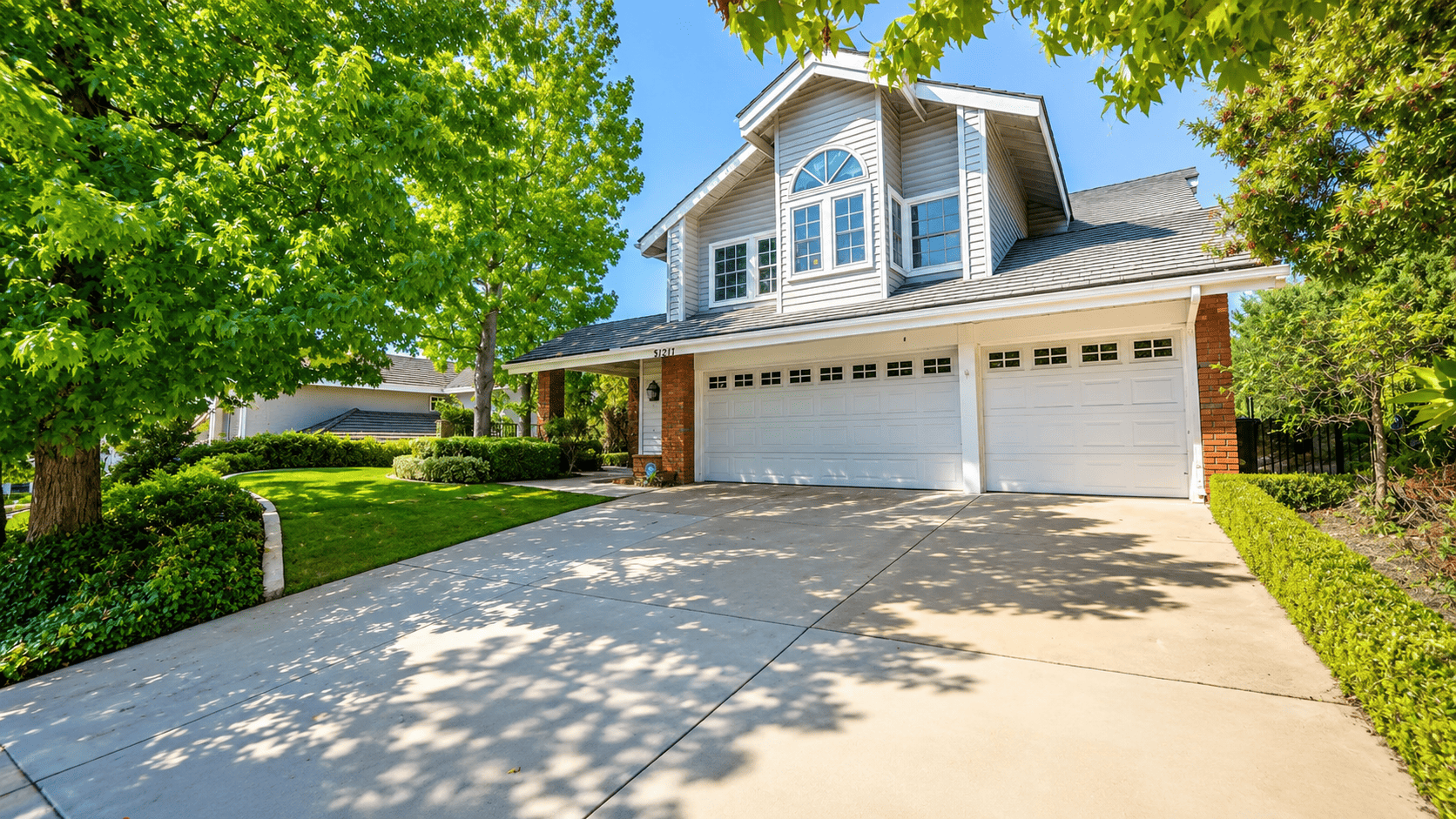
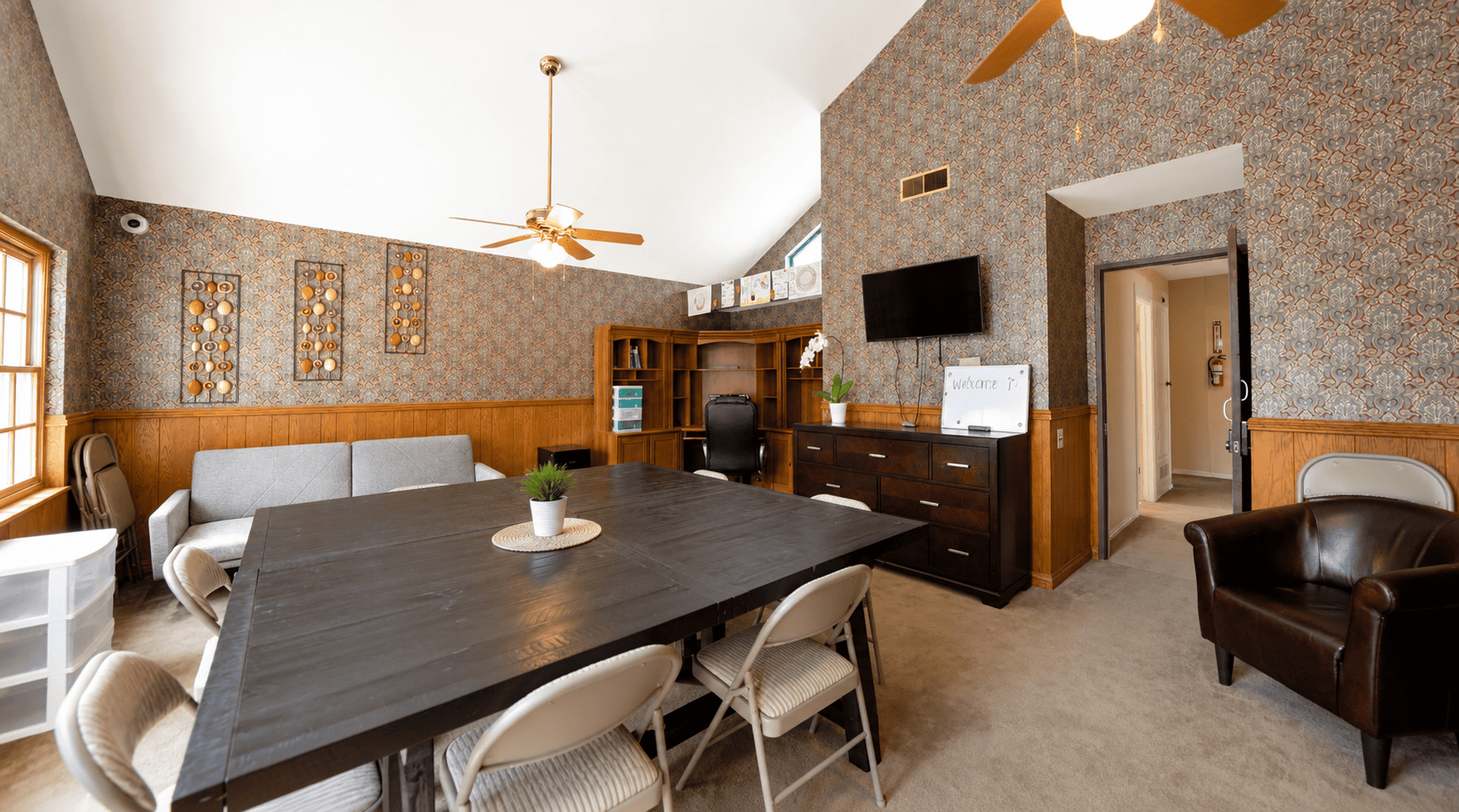

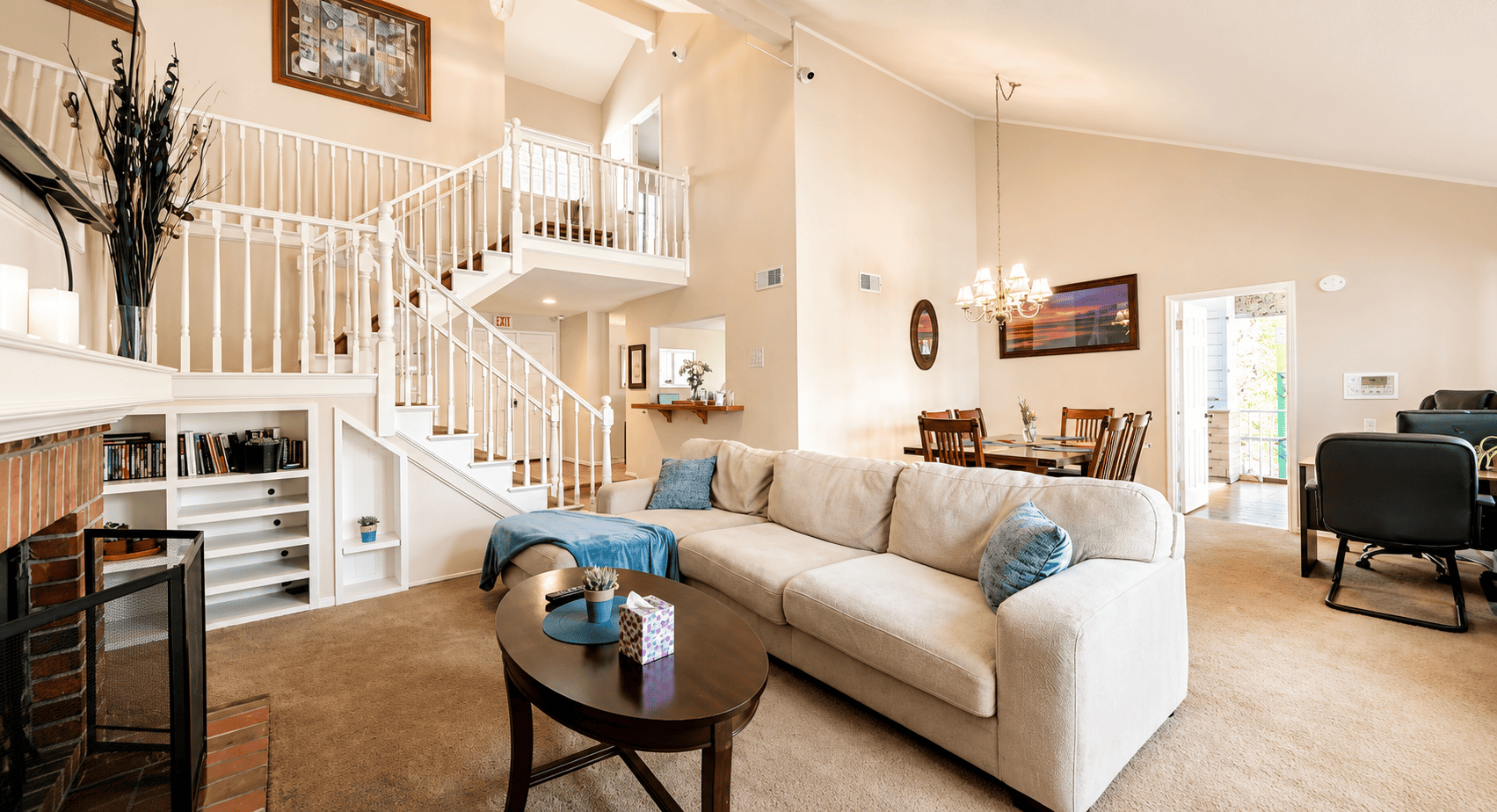
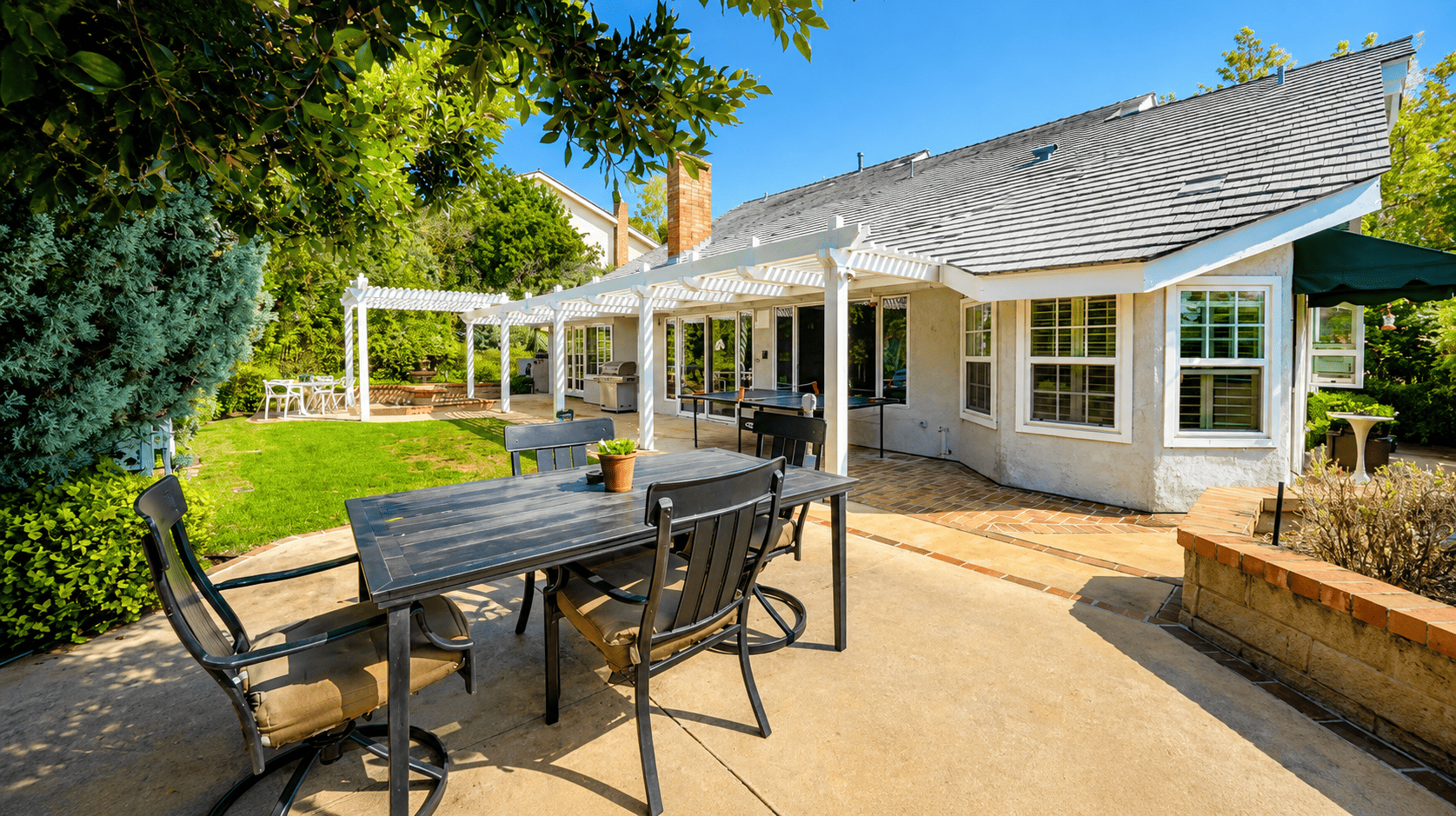


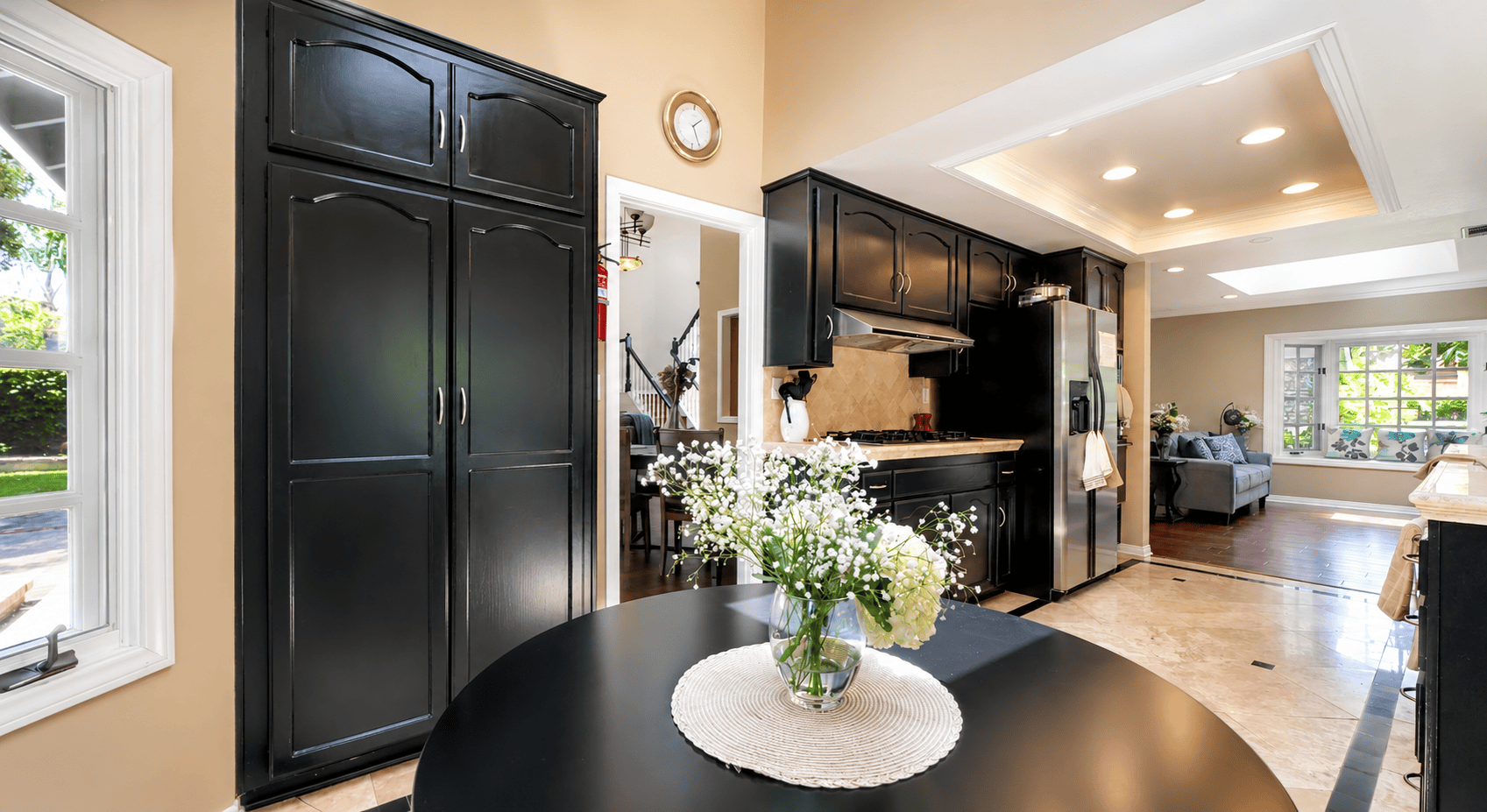
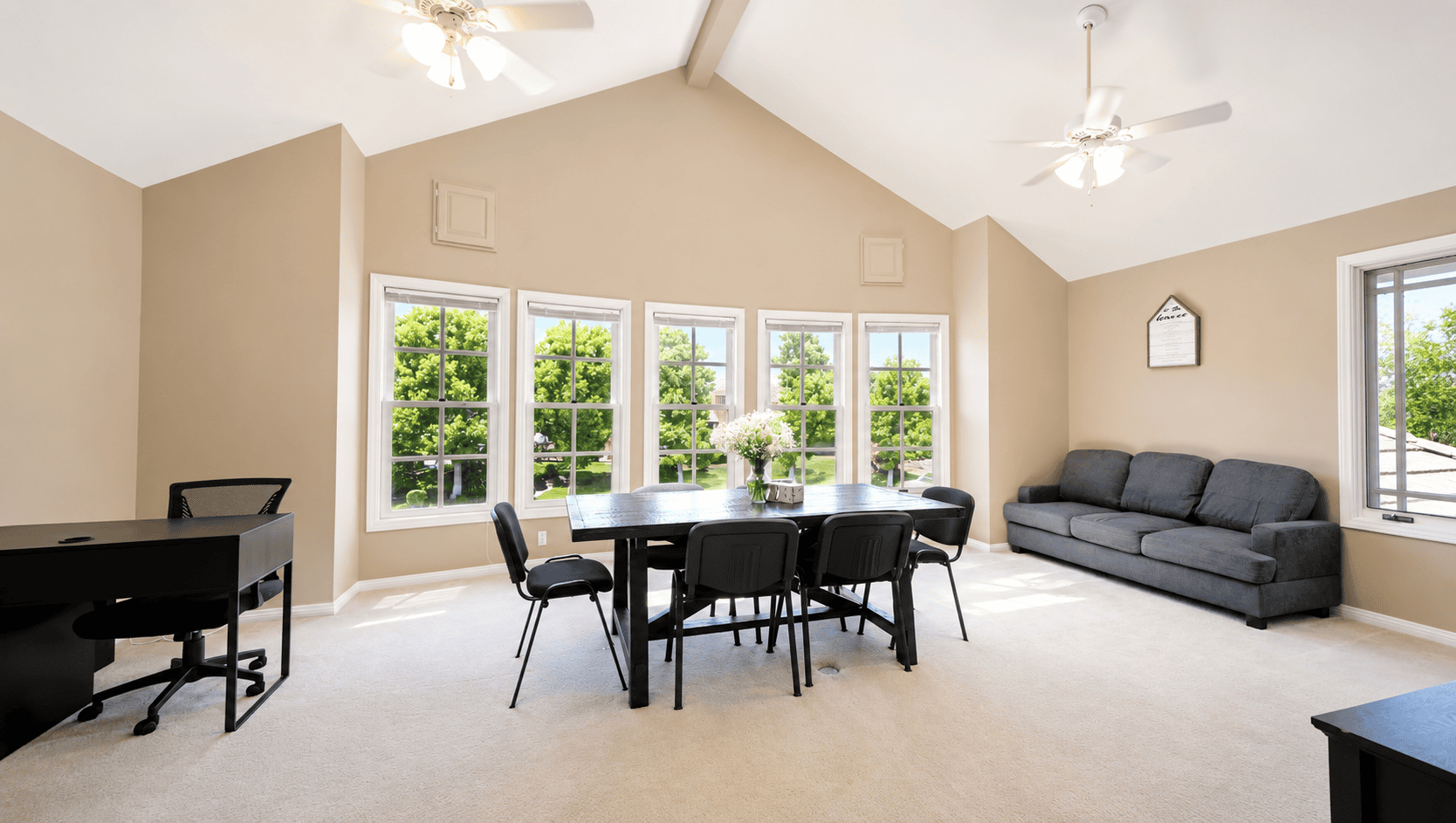
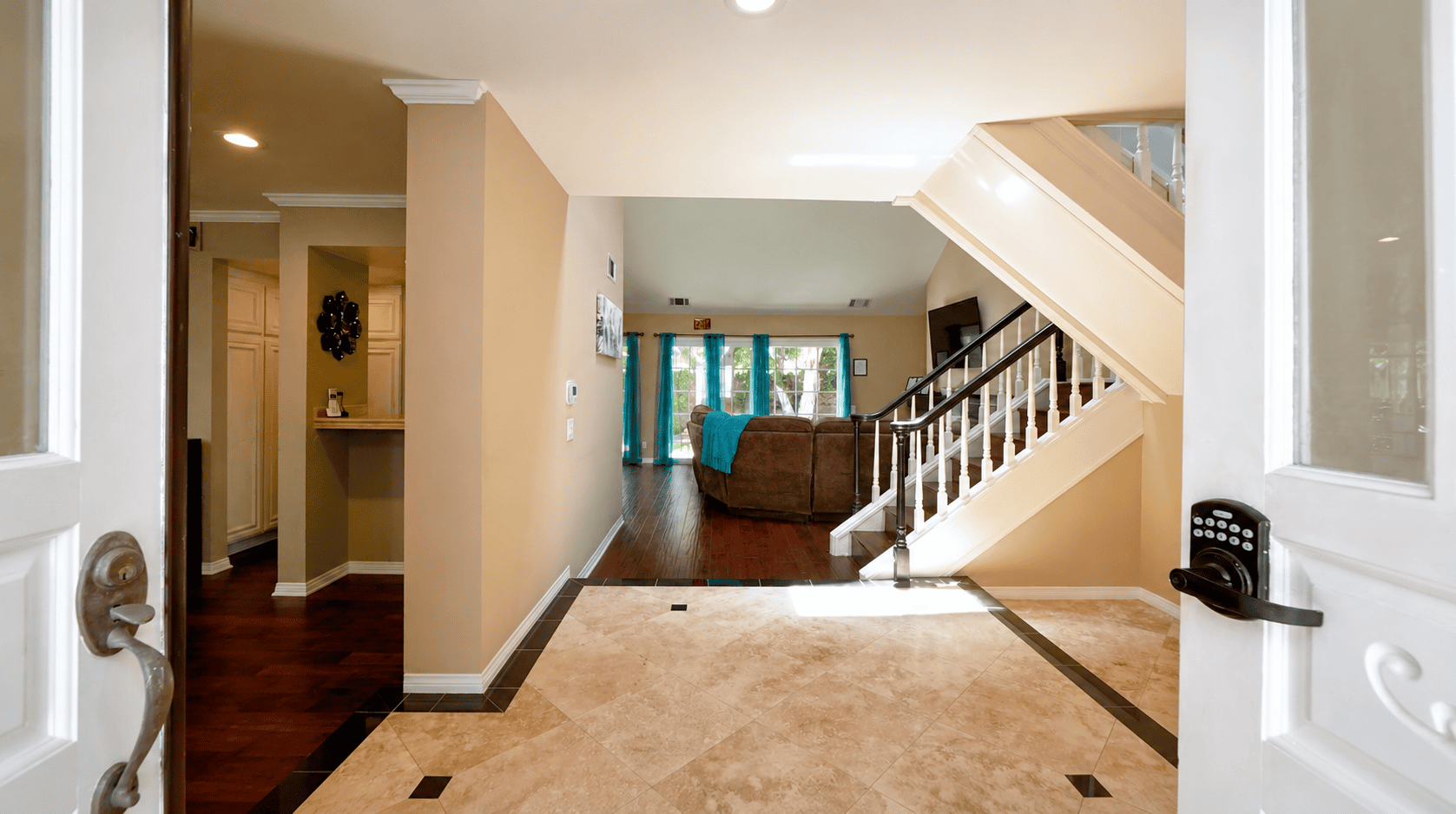


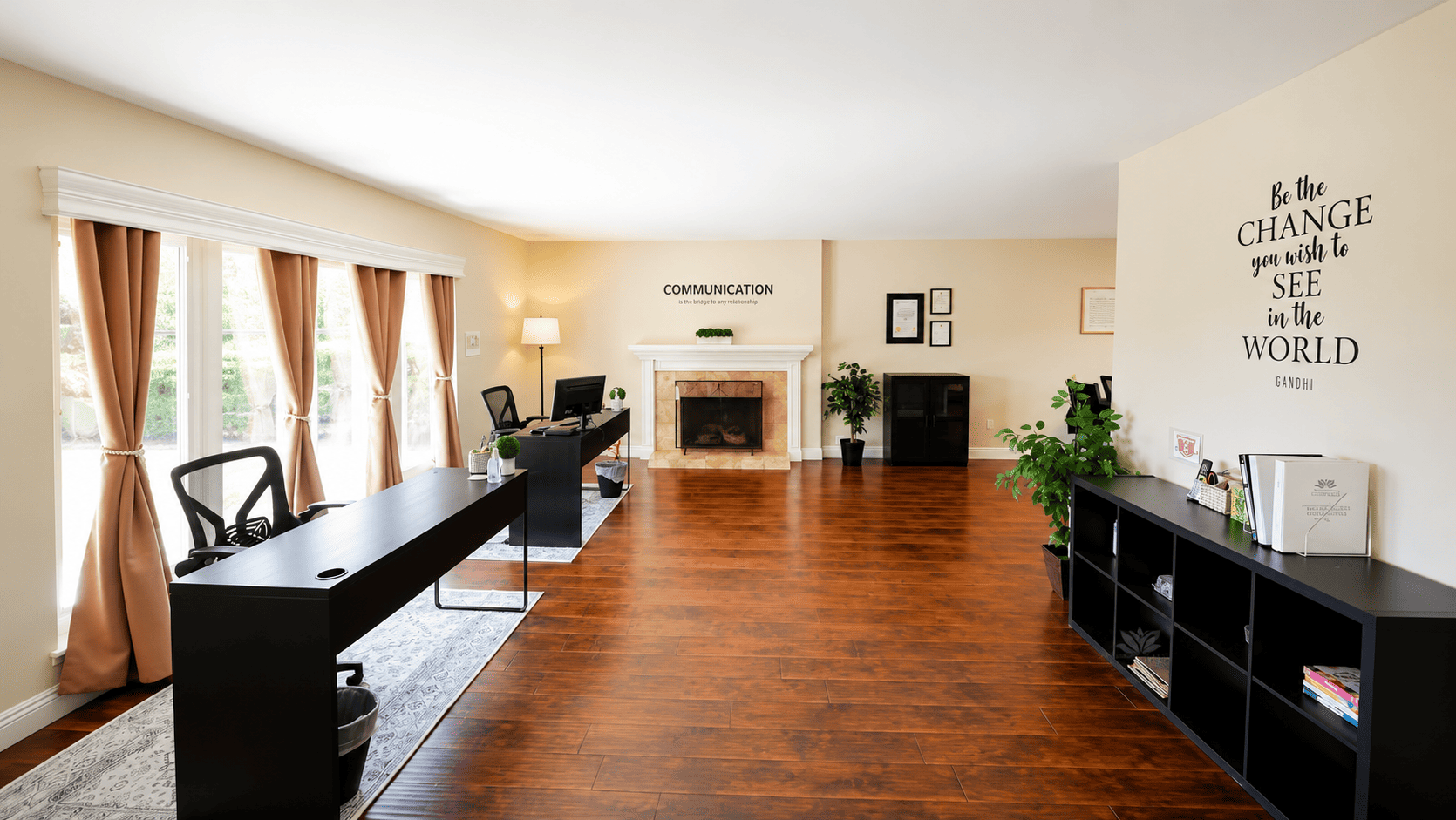

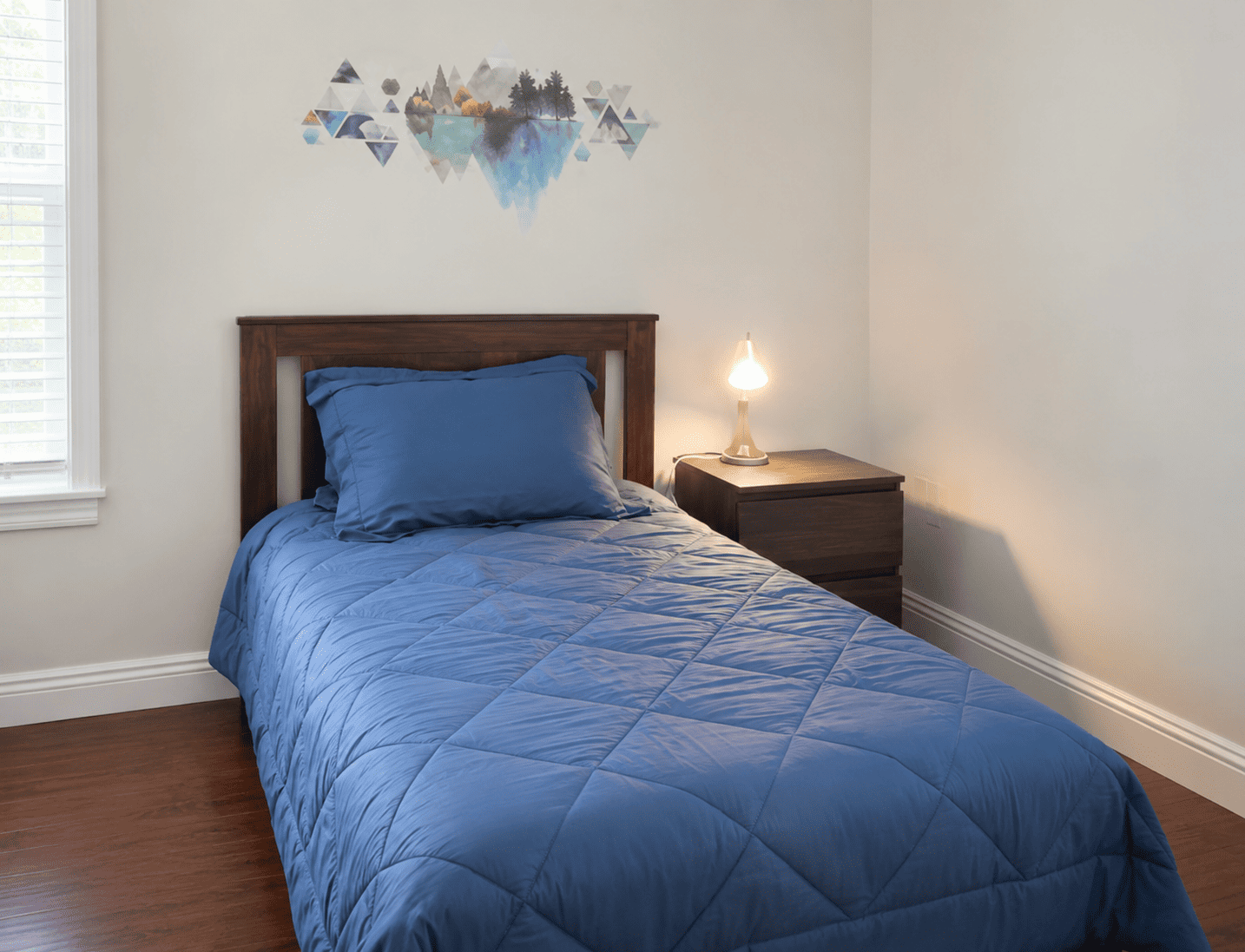

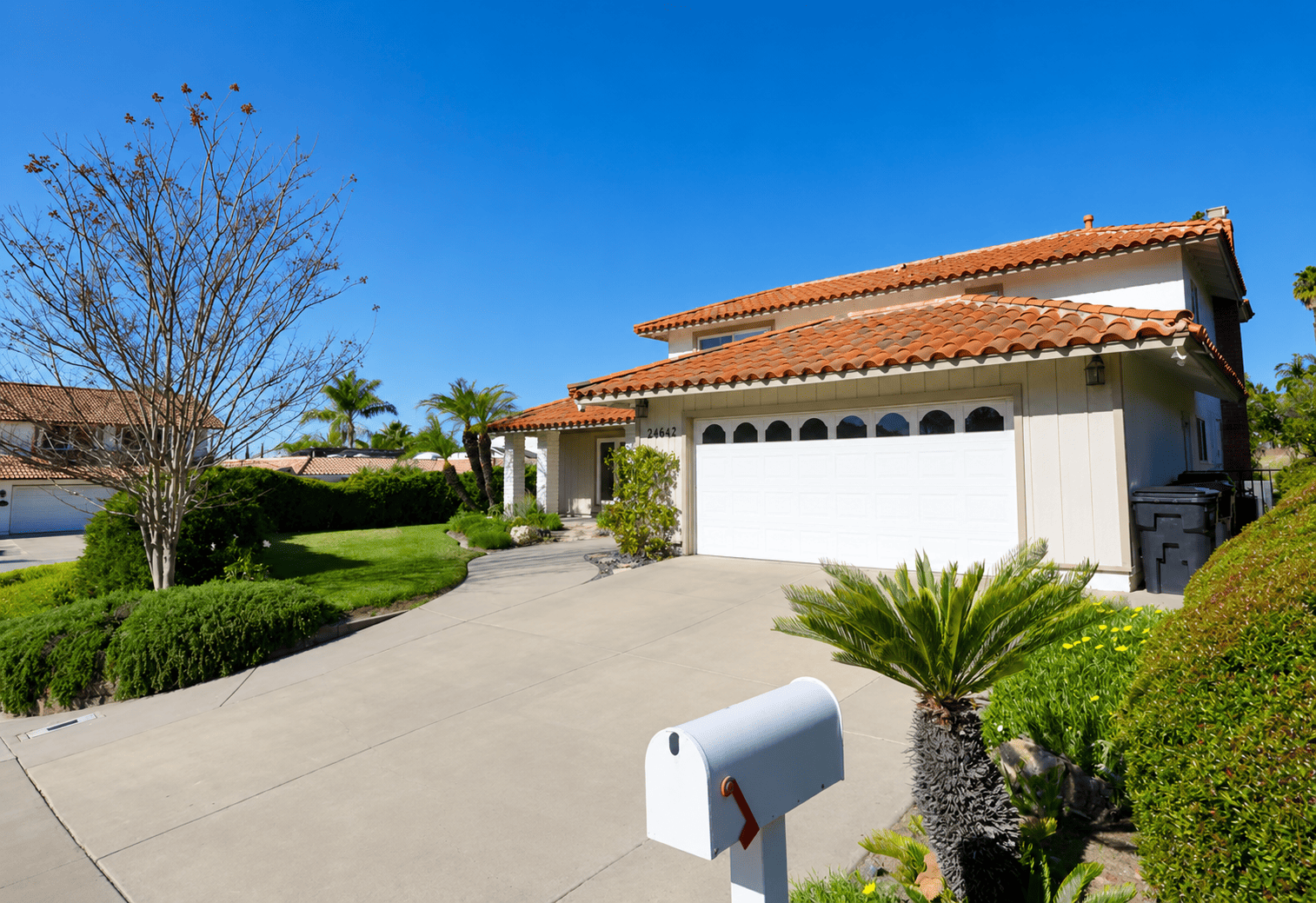
Directions and details for every home are on our locations page.
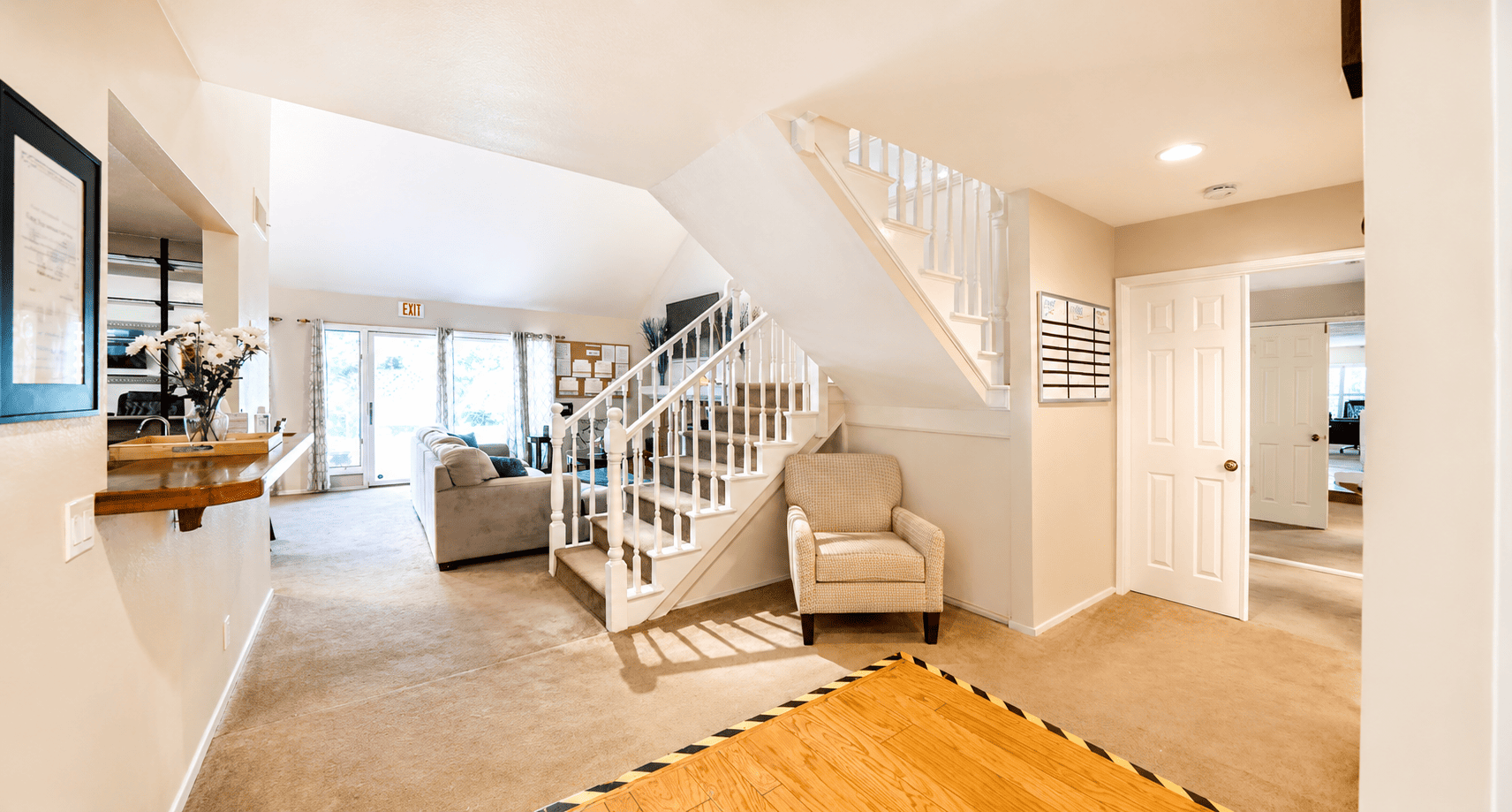
These are real homes with comfortable living spaces, not clinical wards. Your meals will be prepared by a private chef to ensure high quality and nutritional nourishment. Our homes are also pet-friendly, so you don’t have to worry about missing your furry friend, or finding a pet hotel. Our homes are luxurious and ensure an optimal surrounding for healing: a quiet, well-kept, clean place you feel right at home.
You can see the living spaces for yourself on our facility tour page.
Traditional treatment centers usually remove access to your personal electronics like your phone or computer. First Light Recovery lets you keep access so you can stay in touch with people who matter to you. The structure of the program is coming from daily therapy, expectations around participation, and the support from staff around the clock. We value this balance because practicing independence while having support is how progress is made, and how treatment carries over to your life at home.

Each day will follow a consistent schedule, which is a combination of clinical work and ordinary routines. We personalize your treatment plan after an in-depth assessment, so the exact mix is tailored to you, but most days follow a version of the following.
On-site therapists lead individual sessions and group therapy sessions five days a week. This means that clinical work happens where you live rather than at an office on the other side of town. Family sessions are scheduled as part of your plan when they will help.
Mental health technicians help you by guiding you through fundamentals: hygiene, nutrition, sleep, and personal care. These sound simple, but they are often the first things to suffer when someone is going through a mental health crisis, and the first things that need to be reestablished before anything else can.
Going on community outings, vocational development, and social integration are all built into your week. You will practice being in public, working toward goals, and connecting with people.
Mental health technicians are available on site 24 hours a day, so the home remains a safe place at 2 a.m. as much as at 2 p.m. If a hard night comes, someone trained is already there.
First Light Recovery only uses evidence-based approaches, executed by a team trained in CBT, DBT, trauma-informed care, and skill building. Your plan may draw on several of the following:
One-on-one sessions to work through your history, symptoms, and goals.
Structured sessions with peers who understand what you are going through.
Sessions that strengthen relationships and improve communication with the people in your support system.
Cognitive Behavioral Therapy (CBT)
Practical tools for recognizing and reshaping unhelpful thought patterns.
Dialectical Behavior Therapy (DBT)
Skills for emotional regulation, distress tolerance, and relationships.
Care delivered with an understanding of how past trauma shapes present symptoms.
Medical and medication support are available as part of your treatment plan and coordinated with your therapy, so both sides of your care work together. Learn more about our medical and mental health services in Orange County.
Residential mental health care is designed for conditions that are hard to manage with outpatient support alone. We treat:
Including generalized anxiety, social anxiety, panic disorder, separation anxiety, and OCD.
Including depression, bipolar disorder, and persistent depressive disorder.
Including schizophrenia and schizoaffective disorder.
Including borderline, narcissistic, avoidant, histrionic, and antisocial personality disorders.
Self-Harm and Suicidal Ideation
Self-harm and suicidal ideation, treated with structured, around-the-clock support in a safe home environment.
Most people are battling more than one of these disorders. Since your plan is built from an in-depth assessment rather than a single test, treatment will address the full picture. Visit our treatments overview to explore each condition.
In need of confidential support? We are available 24/7 at (949) 844-3573 or by email at Admissions@FirstLightRecovery.com. We will verify your insurance, answer your questions, and tell you honestly whether residential care is the right fit.
Residential treatment is a real commitment, and insurance is accepted to make it reachable. First Light Recovery is in-network with the providers below, and using in-network benefits can significantly reduce the cost of residential mental health treatment compared with paying out of pocket.




The admissions team at First Light Recovery will verify your plan’s benefits and will explain your coverage before you commit to anything. When a bed is available and benefits can be confirmed quickly, same-day admissions are often possible, so the gap between deciding to get help and actually arriving can be hours rather than weeks. Read our insurance FAQ for details on how coverage and payment work.
Getting started follows the same steps for everyone, so you know what to expect from the first call to the day you go home.
1. Admissions call
Call us at (949) 844-3573 or email us at Admissions@FirstLightRecovery.com. We listen first, then explain your options.
2. Insurance verification and treatment planning
We will confirm your plan’s benefits and begin planning your care, and we’ll also handle the details so you can focus on getting help.
3. Comprehensive assessment
Our team evaluates your history, symptoms, strengths, and goals to build your personalized plan.
4. Daily therapy and skill-building
Structured therapy, life-skills training, and community activities every day, adjusted as you progress.
5. Family involvement and aftercare planning
We prepare you and your support system for long-term success with a plan that continues after your stay.

When your family knows what you’re going through, the odds of recovery are much higher. We often build family therapy and family involvement into treatment, and aftercare planning begins before your discharge date. This way you leave with your support system and a clear plan moving forward rather than a gap. Families looking for guidance can start with our article on mental illness and the family.
They often do. Residential mental health treatment is a recognized level of care, and First Light Recovery is in-network with eight major providers that we have listed in the insurance table above. Coverage details can vary by plan, which is why our admissions team verifies your benefits and explains what your plan covers before you commit to anything.
Yes, that is possible. Admissions are available 24/7, and when a bed is available and your insurance can be verified quickly, same-day admission happens often. Call (949) 844-3573 and the team will tell you what to expect for your situation.
Inpatient hospitalization is a short-term crisis care in a locked hospital unit, solely focused on immediate safety. Residential treatment is longer-term care in a home-like setting. Focused on stabilization and building the skills to live happy and independently. At First Light Recovery you keep your phone, take part in several community outings, and practice daily routines. Therapists are on site five days a week and mental health technicians are available 24/7. It is structured without being restrictive.
The length of your stay depends on your needs, progress, and treatment plan. Many people stay for several weeks to a few months. Your treatment plan is reviewed as you go, and your team will talk with you about timing rather than setting an arbitrary end date.
Yes. You keep access to your phone, computer, and other electronics so you can stay connected to work, school, and the people who support you. Staying connected to your life during treatment is part of how you make progress.
No. Care happens in small, six-bed homes in San Juan Capistrano and Mission Viejo. The homes are staffed 24/7 and structured, but they are not locked. You are treated as a person with a story rather than just another diagnosis.
It’s okay if you don’t have everything figured out before you call. We can help. Confidential support is available 24/7 at (949) 844-3573 and by emailing Admissions@FirstLightRecovery.com.
Our admissions team will verify your insurance, answer your questions, and, if residential care is the right fit, help you get settled into our residential treatment program at one of our homes in San Juan Capistrano or Mission Viejo.
Meet our leadership team, learn more about Clinical Director Jennifer Worley, LMFT, or contact us online to take the first step.
First Light Recovery
We firmly believe that the internet should be available and accessible to anyone, and are committed to providing a website that is accessible to the widest possible audience, regardless of circumstance and ability.
To fulfill this, we aim to adhere as strictly as possible to the World Wide Web Consortium’s (W3C) Web Content Accessibility Guidelines 2.1 (WCAG 2.1) at the AA level. These guidelines explain how to make web content accessible to people with a wide array of disabilities. Complying with those guidelines helps us ensure that the website is accessible to all people: blind people, people with motor impairments, visual impairment, cognitive disabilities, and more.
This website utilizes various technologies that are meant to make it as accessible as possible at all times. We utilize an accessibility interface that allows persons with specific disabilities to adjust the website’s UI (user interface) and design it to their personal needs.
Additionally, the website utilizes an AI-based application that runs in the background and optimizes its accessibility level constantly. This application remediates the website’s HTML, adapts Its functionality and behavior for screen-readers used by the blind users, and for keyboard functions used by individuals with motor impairments.
If you’ve found a malfunction or have ideas for improvement, we’ll be happy to hear from you. You can reach out to the website’s operators by using the following email
Our website implements the ARIA attributes (Accessible Rich Internet Applications) technique, alongside various different behavioral changes, to ensure blind users visiting with screen-readers are able to read, comprehend, and enjoy the website’s functions. As soon as a user with a screen-reader enters your site, they immediately receive a prompt to enter the Screen-Reader Profile so they can browse and operate your site effectively. Here’s how our website covers some of the most important screen-reader requirements, alongside console screenshots of code examples:
Screen-reader optimization: we run a background process that learns the website’s components from top to bottom, to ensure ongoing compliance even when updating the website. In this process, we provide screen-readers with meaningful data using the ARIA set of attributes. For example, we provide accurate form labels; descriptions for actionable icons (social media icons, search icons, cart icons, etc.); validation guidance for form inputs; element roles such as buttons, menus, modal dialogues (popups), and others. Additionally, the background process scans all the website’s images and provides an accurate and meaningful image-object-recognition-based description as an ALT (alternate text) tag for images that are not described. It will also extract texts that are embedded within the image, using an OCR (optical character recognition) technology. To turn on screen-reader adjustments at any time, users need only to press the Alt+1 keyboard combination. Screen-reader users also get automatic announcements to turn the Screen-reader mode on as soon as they enter the website.
These adjustments are compatible with all popular screen readers, including JAWS and NVDA.
Keyboard navigation optimization: The background process also adjusts the website’s HTML, and adds various behaviors using JavaScript code to make the website operable by the keyboard. This includes the ability to navigate the website using the Tab and Shift+Tab keys, operate dropdowns with the arrow keys, close them with Esc, trigger buttons and links using the Enter key, navigate between radio and checkbox elements using the arrow keys, and fill them in with the Spacebar or Enter key.Additionally, keyboard users will find quick-navigation and content-skip menus, available at any time by clicking Alt+1, or as the first elements of the site while navigating with the keyboard. The background process also handles triggered popups by moving the keyboard focus towards them as soon as they appear, and not allow the focus drift outside it.
Users can also use shortcuts such as “M” (menus), “H” (headings), “F” (forms), “B” (buttons), and “G” (graphics) to jump to specific elements.
We aim to support the widest array of browsers and assistive technologies as possible, so our users can choose the best fitting tools for them, with as few limitations as possible. Therefore, we have worked very hard to be able to support all major systems that comprise over 95% of the user market share including Google Chrome, Mozilla Firefox, Apple Safari, Opera and Microsoft Edge, JAWS and NVDA (screen readers).
Despite our very best efforts to allow anybody to adjust the website to their needs. There may still be pages or sections that are not fully accessible, are in the process of becoming accessible, or are lacking an adequate technological solution to make them accessible. Still, we are continually improving our accessibility, adding, updating and improving its options and features, and developing and adopting new technologies. All this is meant to reach the optimal level of accessibility, following technological advancements. For any assistance, please reach out to