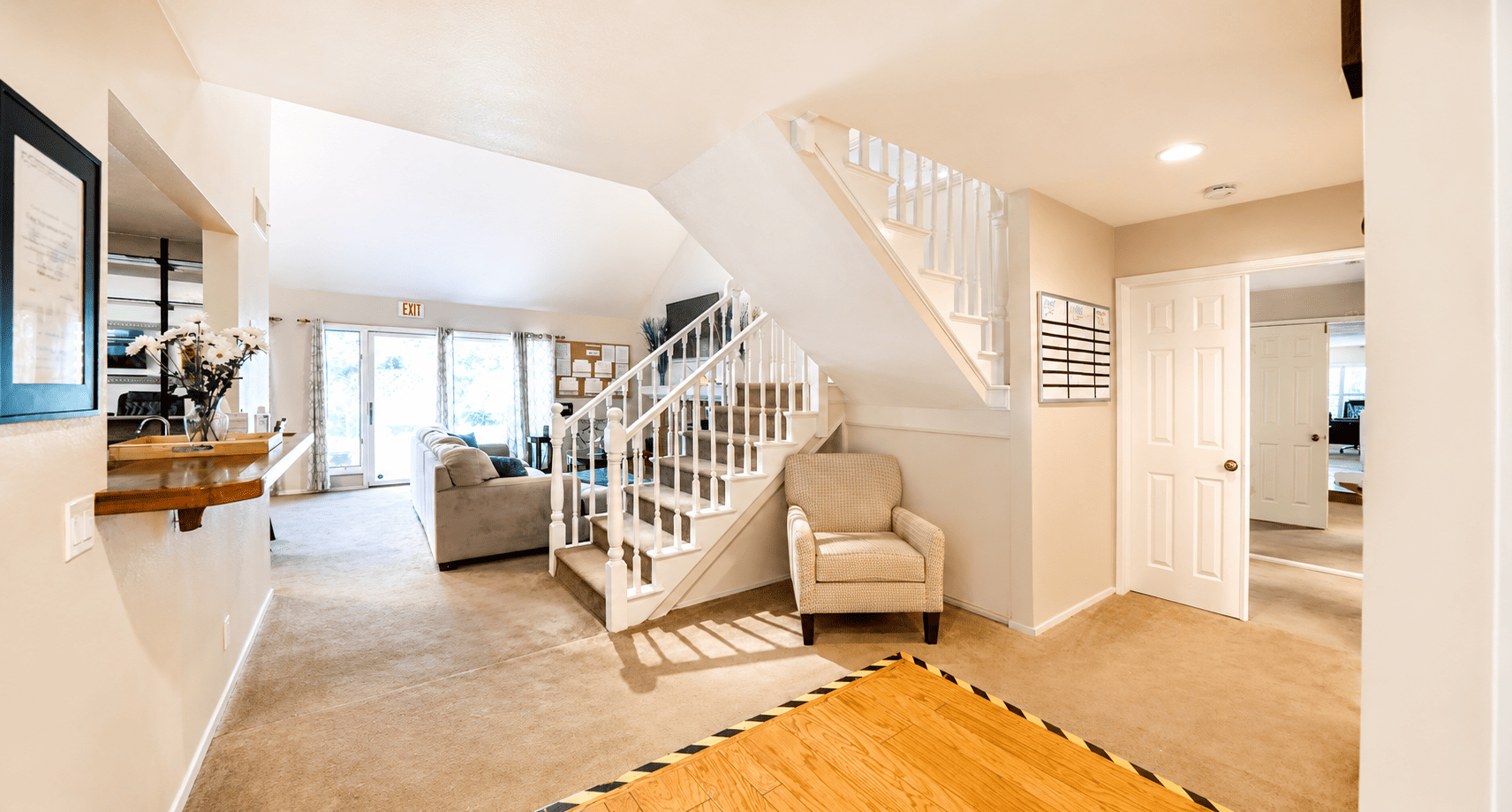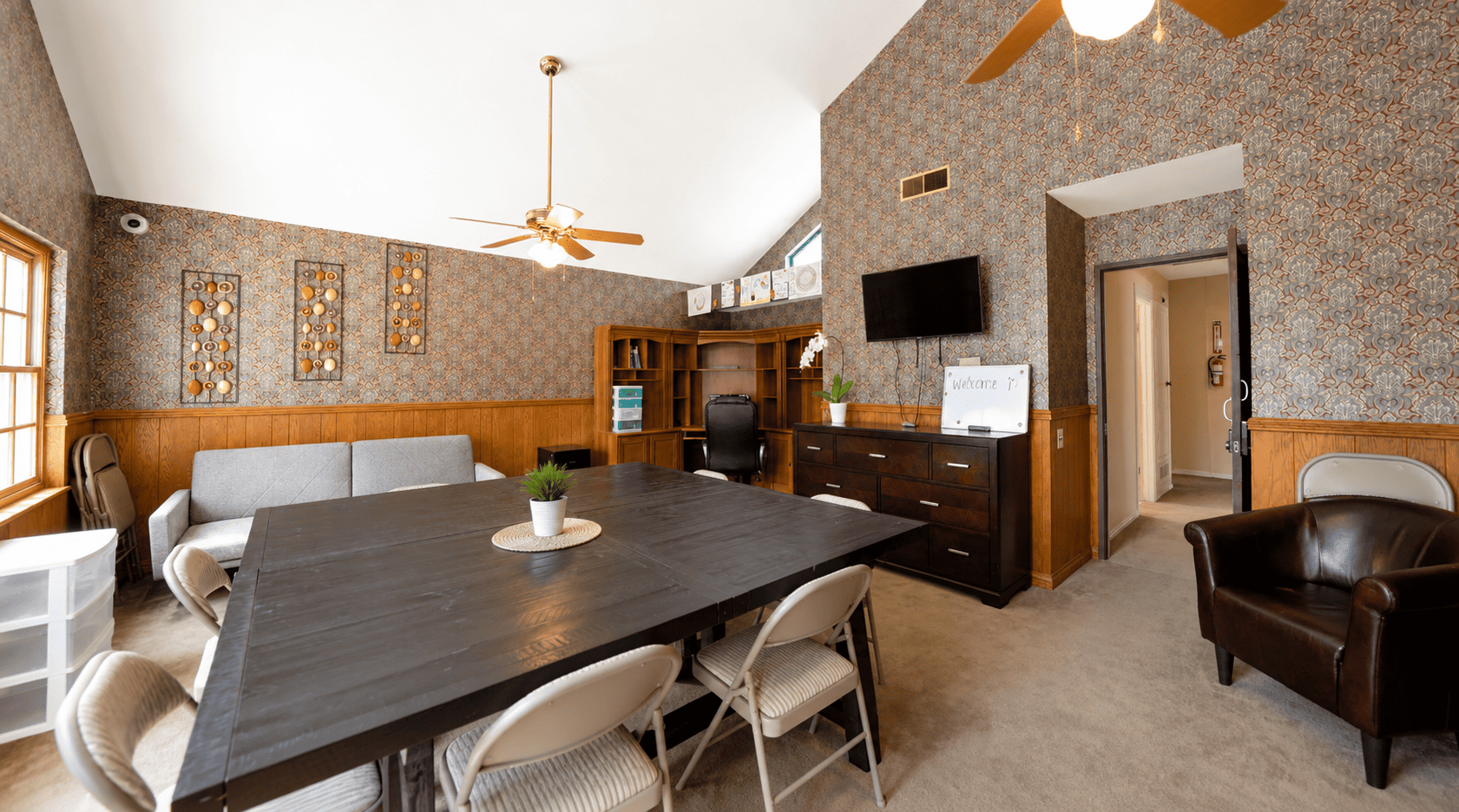
Regain stability, independence, and confidence with compassionate, comprehensive mental health support at First Light Recovery.
Our Orange County residential program is designed for adults who need more support than outpatient care can offer, in a safe, structured, and welcoming environment where lasting change can begin.
Speak with our admissions team now – call (949) 844-3573, or complete our online form to get started.
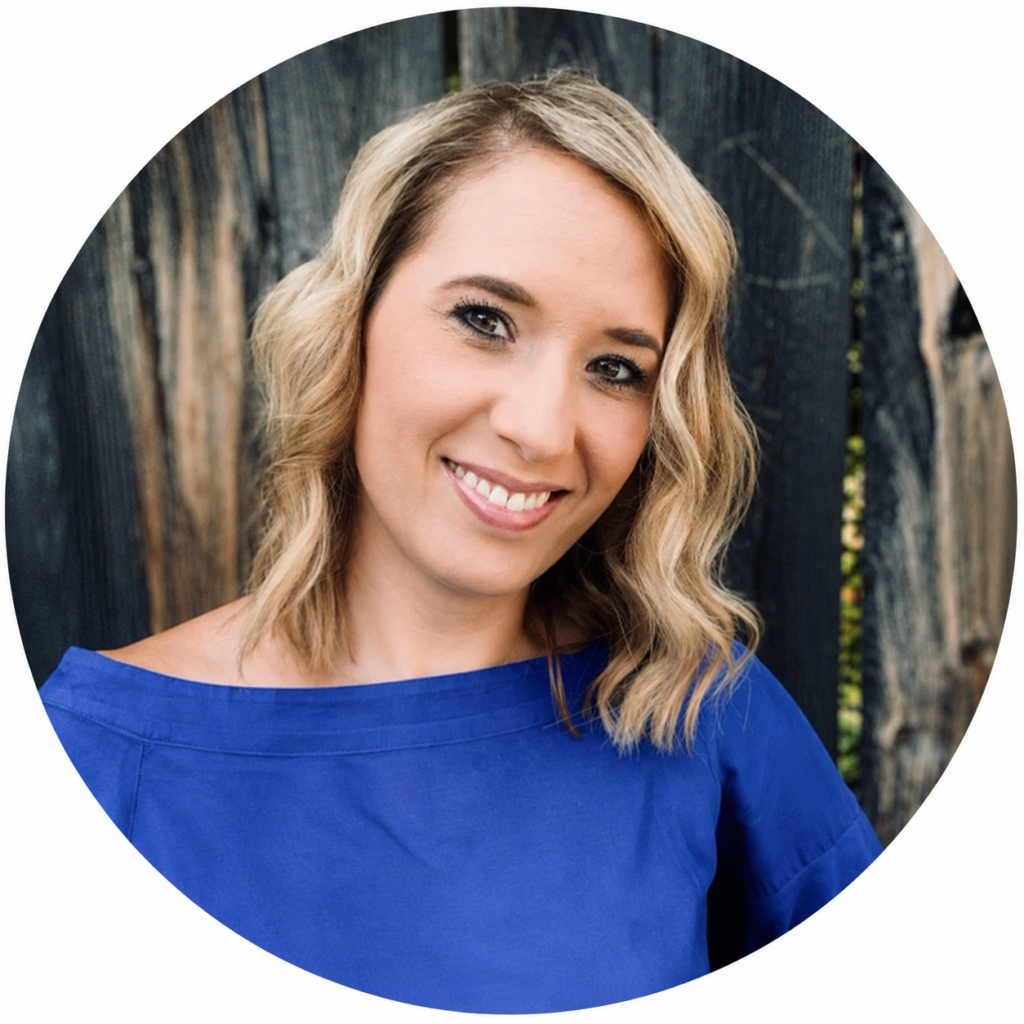
Jennifer Worley, M.A LMFT #97125

Dr. Turner
Quality mental health care should be accessible. First Light Recovery is in-network with
many major insurance providers, including Aetna, Anthem, Cigna, Kaiser, Magellan, Optum, United, and the International Longshore and Warehouse Union (ILWU).
Using your insurance benefits can significantly reduce the cost of residential mental health treatment. Not sure if you’re covered? Call (949) 844-3573 and our admissions team can verify your benefits, explain your coverage, and answer your questions before you commit to anything.
You can also read our insurance FAQs to learn more about how payment and coverage work.






At First Light Recovery, we understand that living with anxiety, depression, PTSD, or personality disorders can feel overwhelming. You may have tried outpatient therapy or short-term care, only to find that you need a deeper level of support to regain stability.
Our residential mental health program in Orange County, CA, provides comprehensive, individualized treatment that goes beyond symptom management – we empower you to build a fulfilling, independent life.
Residential mental health treatment means you live on-site while you focus fully on recovery, surrounded by clinical support and a community of peers who understand what you’re going through. This immersive setting removes many of the everyday pressures that can make healing difficult at home, giving you the space, structure, and stability to make real progress. If outpatient therapy or short-term care hasn’t been enough, our residential program can provide the deeper level of support you deserve.
A Personalized Approach to Mental Health Recovery
No two people experience mental health challenges in exactly the same way, so no two treatment plans should look alike. From your very first assessment, our team works to understand your history, symptoms, strengths, and goals, then builds an individualized plan designed around them. As your needs evolve throughout treatment, your plan evolves with you, ensuring the care you receive always reflects where you are in your recovery.
CARF-Accredited Residential Program
Customized Treatment Plans
Social Rehabilitation Focus
24/7 Support & Onsite Therapists
In-Network With Major Insurances
We work with many leading insurers to make care more affordable.
We specialize in treating a range of mental health conditions, offering personalized, evidence-based care in a supportive community environment. Select a category to learn more about how we help.

Persistent worry, fear, or unease that can disrupt daily life.
Includes:
Generalized Anxiety, Social Anxiety, Panic Disorder, OCD
Conditions that affect how you feel, think, and function day to day.
Includes:
Depression, Bipolar Disorder, Persistent Depressive Disorder
Conditions affecting perception, reasoning, and communication.
Includes:
Schizophrenia, Schizoaffective Disorder
Enduring patterns of thinking and relating that can strain daily life.
Includes:
Borderline, Narcissistic, Avoidant, Histrionic, Antisocial
Additional conditions we treat with evidence-based, individualized care.
Includes:
PTSD, CPTSD, Self-Harm, Suicidal Ideation, ADHD
Explore all of the conditions we treat.
At First Light Recovery, we combine clinical expertise with holistic care to ensure deep, lasting healing. Your plan may draw on several of the following therapies, chosen to fit your needs:
One-on-one support for personal growth.
Build connection and shared understanding.
Strengthen relationships and improve communication.
Reshape negative thought patterns.
Dialectical Behavioral Therapy
Enhance emotional regulation and distress tolerance.
Care delivered with an understanding of how trauma shapes healing.
Every plan blends the approaches that help you most, and adjusts as you progress.

Unlike traditional treatment centers that restrict electronics, autonomy, and daily activities, we believe in integrating real-world skills into treatment.
Real life doesn’t pause while you heal. Our approach helps you practice the skills you’ll actually use every day, so the progress you make in treatment carries over when you return home. By staying connected and engaged with the world around you, you build genuine confidence and independence – not just short-term stability.
Maintain Access to Electronics & Communication
Stay connected while focusing on recovery.
Practice Life Skills in a Natural Setting
Improve hygiene, nutrition, sleep, and personal care.
Engage in Real-World Activities
Community outings, vocational development, and social integration to prepare for life beyond treatment.
From your first phone call to your transition home, we’re with you every step of the way. Here’s what the journey looks like:

Easy Admissions Process
We guide you through insurance verification and treatment planning. Most admissions begin with a single phone call to (949) 844-3573, and our team handles the details so you can focus on getting help.
Comprehensive Mental Health Assessment
Our team evaluates your needs to create a personalized recovery plan. This thorough assessment helps us understand the full picture of your health and goals.
Daily Therapy & Skill-Building
Engaging in structured therapy sessions, life skills training, and community activities. Each day is designed to help you build practical tools for lasting recovery.
Family & Aftercare Support
Preparing you for long-term success with family involvement and aftercare planning. We help you build a support system that continues well after your stay.

At First Light Recovery, quality care starts with the people who provide it. Our programs bring together experienced clinical and medical professionals who are dedicated to your wellbeing. Learn more about First Light Recovery and meet our team, or connect with our admissions staff to ask questions and take the first step.
What is residential mental health treatment?
Where is First Light Recovery located?
Our residential mental health program serves adults across Orange County, California, with locations in San Juan Capistrano and Mission Viejo.
What mental health conditions do you treat?
We treat anxiety disorders, mood disorders, thought disorders, and personality disorders, as well as PTSD, CPTSD, self-harm, suicidal ideation, and ADHD.
Is First Light Recovery accredited?
Do you accept insurance?
What therapies do you offer?
We provide individual, group, and family therapy, along with CBT, DBT, and trauma-informed care.
How do I get started?
Call our admissions team at (949) 844-3573 or contact us online. We’ll guide you through insurance verification, assessment, and treatment planning.
First Light Recovery provides residential mental health treatment across Orange County, California. Our residential locations include San Juan Capistrano and Mission Viejo. View all of our locations to find the program nearest you.
If you’re struggling with your mental health, you don’t have to face it alone. First Light Recovery offers compassionate care, expert treatment, and a real-world approach to empower you.
Reaching out is the first step, and we’re here to make it simple. Call (949) 844-3573 now to speak with our admissions team, email us, or contact us online to begin. Help is available today.
First Light Recovery
We firmly believe that the internet should be available and accessible to anyone, and are committed to providing a website that is accessible to the widest possible audience, regardless of circumstance and ability.
To fulfill this, we aim to adhere as strictly as possible to the World Wide Web Consortium’s (W3C) Web Content Accessibility Guidelines 2.1 (WCAG 2.1) at the AA level. These guidelines explain how to make web content accessible to people with a wide array of disabilities. Complying with those guidelines helps us ensure that the website is accessible to all people: blind people, people with motor impairments, visual impairment, cognitive disabilities, and more.
This website utilizes various technologies that are meant to make it as accessible as possible at all times. We utilize an accessibility interface that allows persons with specific disabilities to adjust the website’s UI (user interface) and design it to their personal needs.
Additionally, the website utilizes an AI-based application that runs in the background and optimizes its accessibility level constantly. This application remediates the website’s HTML, adapts Its functionality and behavior for screen-readers used by the blind users, and for keyboard functions used by individuals with motor impairments.
If you’ve found a malfunction or have ideas for improvement, we’ll be happy to hear from you. You can reach out to the website’s operators by using the following email
Our website implements the ARIA attributes (Accessible Rich Internet Applications) technique, alongside various different behavioral changes, to ensure blind users visiting with screen-readers are able to read, comprehend, and enjoy the website’s functions. As soon as a user with a screen-reader enters your site, they immediately receive a prompt to enter the Screen-Reader Profile so they can browse and operate your site effectively. Here’s how our website covers some of the most important screen-reader requirements, alongside console screenshots of code examples:
Screen-reader optimization: we run a background process that learns the website’s components from top to bottom, to ensure ongoing compliance even when updating the website. In this process, we provide screen-readers with meaningful data using the ARIA set of attributes. For example, we provide accurate form labels; descriptions for actionable icons (social media icons, search icons, cart icons, etc.); validation guidance for form inputs; element roles such as buttons, menus, modal dialogues (popups), and others. Additionally, the background process scans all the website’s images and provides an accurate and meaningful image-object-recognition-based description as an ALT (alternate text) tag for images that are not described. It will also extract texts that are embedded within the image, using an OCR (optical character recognition) technology. To turn on screen-reader adjustments at any time, users need only to press the Alt+1 keyboard combination. Screen-reader users also get automatic announcements to turn the Screen-reader mode on as soon as they enter the website.
These adjustments are compatible with all popular screen readers, including JAWS and NVDA.
Keyboard navigation optimization: The background process also adjusts the website’s HTML, and adds various behaviors using JavaScript code to make the website operable by the keyboard. This includes the ability to navigate the website using the Tab and Shift+Tab keys, operate dropdowns with the arrow keys, close them with Esc, trigger buttons and links using the Enter key, navigate between radio and checkbox elements using the arrow keys, and fill them in with the Spacebar or Enter key.Additionally, keyboard users will find quick-navigation and content-skip menus, available at any time by clicking Alt+1, or as the first elements of the site while navigating with the keyboard. The background process also handles triggered popups by moving the keyboard focus towards them as soon as they appear, and not allow the focus drift outside it.
Users can also use shortcuts such as “M” (menus), “H” (headings), “F” (forms), “B” (buttons), and “G” (graphics) to jump to specific elements.
We aim to support the widest array of browsers and assistive technologies as possible, so our users can choose the best fitting tools for them, with as few limitations as possible. Therefore, we have worked very hard to be able to support all major systems that comprise over 95% of the user market share including Google Chrome, Mozilla Firefox, Apple Safari, Opera and Microsoft Edge, JAWS and NVDA (screen readers).
Despite our very best efforts to allow anybody to adjust the website to their needs. There may still be pages or sections that are not fully accessible, are in the process of becoming accessible, or are lacking an adequate technological solution to make them accessible. Still, we are continually improving our accessibility, adding, updating and improving its options and features, and developing and adopting new technologies. All this is meant to reach the optimal level of accessibility, following technological advancements. For any assistance, please reach out to