


Many people begin trauma counseling with hope that weekly sessions will bring relief, but months later find themselves still struggling with the same intrusive memories, hypervigilance, and emotional numbness. Traditional outpatient therapy provides essential support for trauma survivors, yet some individuals discover that 50 minutes once a week simply isn’t enough to address the depth of their symptoms. This reality doesn’t mean therapy has failed—it often signals that the severity of trauma, co-occurring mental health conditions, or safety concerns require a more intensive treatment approach.
When trauma is complicated by severe depression, personality disorders, active self-harm, or suicidal ideation, standard weekly therapy may leave too much time between appointments for the nervous system to stabilize. Understanding when standard trauma therapy reaches its limits—and what alternatives exist—can be the difference between years of stagnant progress and genuine healing.
Why Traditional Trauma Therapy Sometimes Falls Short
Evidence-based trauma therapy techniques like EMDR and CPT form the foundation of effective treatment in traditional weekly outpatient settings. A client processing a single traumatic event with manageable symptoms can often tolerate the intensity of trauma work for 50 minutes, then return to daily life until the next appointment. The challenge emerges when trauma is layered with other diagnoses or when symptoms escalate dangerously between sessions.
Someone with complex trauma recovery needs may find that opening traumatic material in therapy triggers overwhelming distress that persists for days. Without 24/7 clinical support, these individuals may turn to self-harm or other crisis behaviors to manage the activation.
When Co-Occurring Conditions Complicate Recovery
Trauma rarely exists in isolation. When PTSD overlaps with bipolar disorder, borderline personality disorder, or severe depression, symptoms interact in ways that weekly sessions cannot fully address. Personality disorder patterns may also intensify—chronic emptiness, fear of abandonment, identity disturbance—during trauma work, creating crises between appointments. Integrated treatment that addresses all diagnoses simultaneously becomes essential rather than optional.
| Trauma Therapy Setting | Clinical Contact Hours Per Week | Best Suited For |
|---|---|---|
| Outpatient Weekly Therapy | 1–2 hours | Single-incident trauma with stable functioning |
| Intensive Outpatient Program (IOP) | 9–12 hours | Moderate symptoms with some daily structure intact |
| Partial Hospitalization Program (PHP) | 20–30 hours | Severe symptoms requiring daily clinical intervention |
| Residential Mental Health Treatment | 24/7 availability + 15–25 structured hours | Complex trauma with safety concerns or multiple diagnoses |
Signs Your Trauma Treatment Needs a Different Level of Care
Honest assessment of both symptom progression and quality of life helps you recognize when to seek trauma treatment at a higher intensity. If you’ve attended counseling for trauma consistently for several months without meaningful improvement—or if symptoms worsen between appointments—the treatment structure may not match the severity of your needs. Safety concerns represent the clearest indicator that outpatient care is insufficient, particularly when suicidal ideation, self-harm urges, or dissociative episodes occur regularly.
- Suicidal thoughts or self-harm behaviors that emerge or intensify after therapy sessions, indicating that processing trauma activates crisis-level distress without adequate containment
- Inability to maintain employment, relationships, or basic self-care due to trauma symptoms, suggesting that daily functioning has deteriorated beyond what outpatient support can stabilize
- Severe dissociation or flashbacks that last hours or days, leaving you disconnected from reality in ways that create safety risks
- Personality disorder symptoms (chronic emptiness, unstable relationships, identity disturbance) that interact with trauma in ways that single-focus therapy cannot address
The spectrum of treatment intensity exists precisely because trauma affects people differently. Intensive outpatient programs (IOP) offer several therapy sessions per week while allowing clients to sleep at home. Partial hospitalization programs (PHP) provide full-day treatment five to seven days weekly.
How Residential Treatment for PTSD and Complex Trauma Works Differently
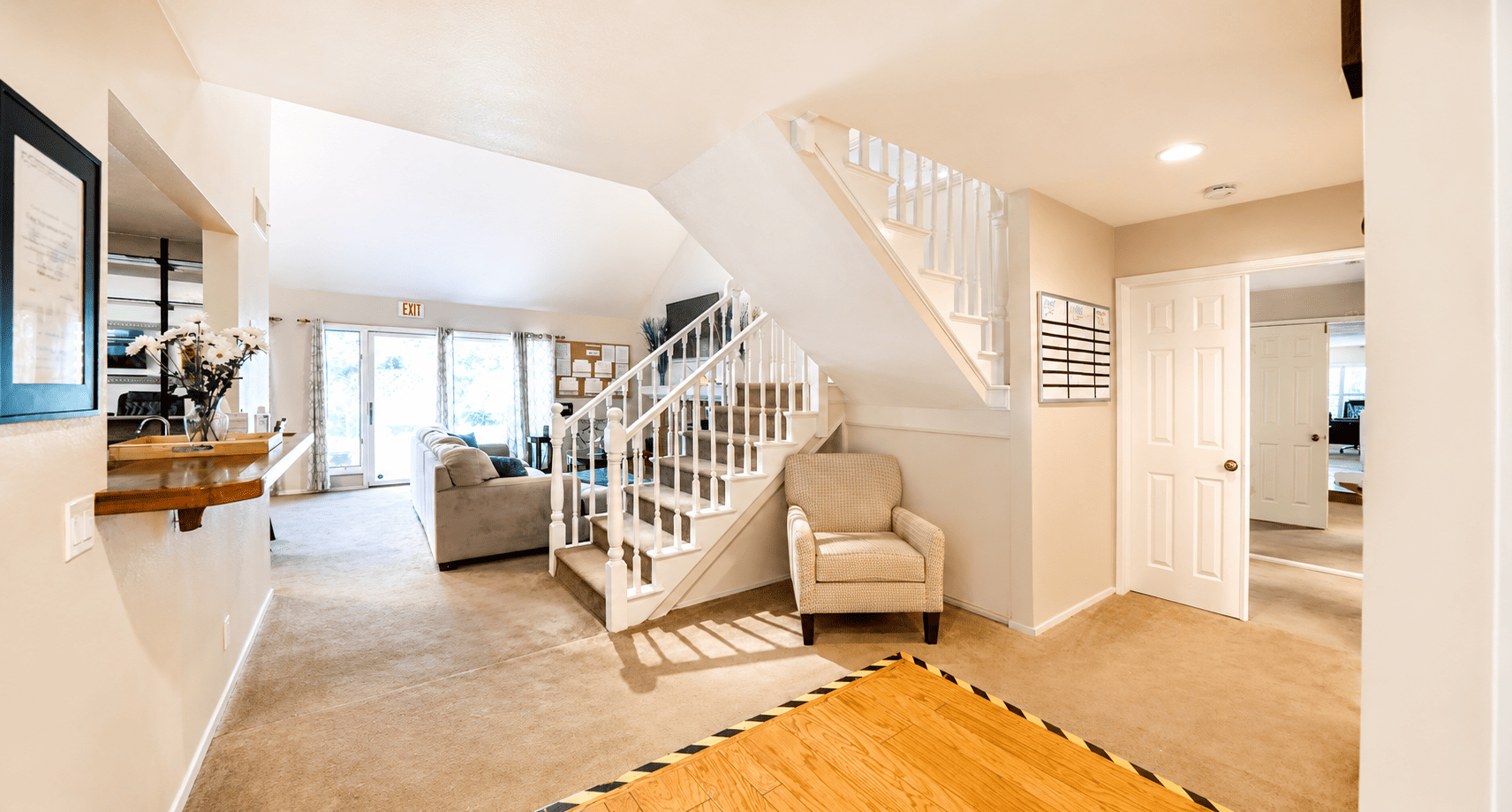
Residential mental health treatment operates on a fundamentally different model than weekly outpatient therapy. Instead of attending counseling for trauma for 50 minutes then returning to the same environment where symptoms persist, clients live in a therapeutic milieu designed to support healing. Clinical staff remain available around the clock to intervene during flashbacks or dissociative episodes. This constant support allows deeper therapeutic work because clients know they won’t be alone with the activation.
A typical residential program for trauma includes individual therapy three to five times per week, group therapy daily, and specialized modalities like EMDR or somatic experiencing. This integration proves essential when treating trauma alongside anxiety disorders, mood disorders, thought disorders, or personality disorders simultaneously.
The trauma-informed care approach in residential settings prioritizes safety and stabilization before pushing into exposure work. Many clients arrive in crisis, their nervous systems dysregulated from trying to function while carrying unprocessed trauma. Residential programs first establish emotional regulation skills, build distress tolerance, and create a sense of safety—then gradually introduce trauma processing techniques. This phased approach prevents retraumatization and allows the body’s stress response system to recalibrate in a protected environment.
The Role of Peer Support in Trauma Recovery
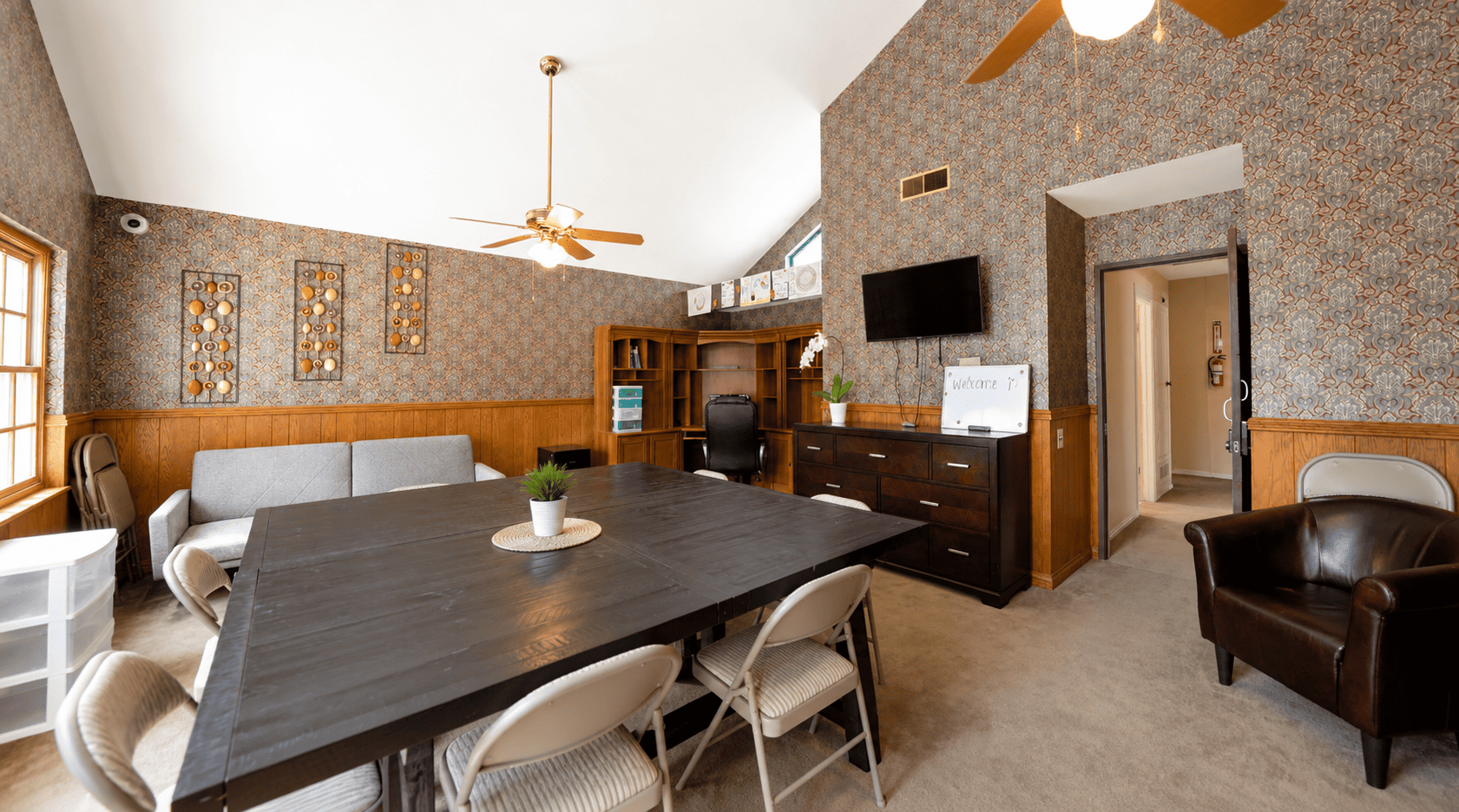
Living alongside others who understand trauma’s impact reduces isolation in ways that individual therapy cannot replicate. Residential programs create daily opportunities to practice vulnerability, receive validation, and witness others’ progress.
| Treatment Component | Outpatient Counseling | Residential Treatment |
|---|---|---|
| Crisis Support Availability | Emergency hotline or hospital | 24/7 on-site clinical staff |
| Therapy Frequency | Once weekly, 50 minutes | 3–5 individual + daily group sessions |
| Co-Occurring Disorder Treatment | Separate providers for each condition | Integrated treatment team addressing all diagnoses |
| Peer Support | Limited to support groups if available | Daily interaction with others in recovery |

Finding Light When Trauma Feels Overwhelming at First Light Recovery
If you’re reading this because weekly therapy hasn’t brought the relief you hoped for, know that more intensive support exists. First Light Recovery provides residential mental health treatment specifically designed for individuals whose trauma is complicated by PTSD, complex PTSD, personality disorders, severe depression, self-harm, or suicidal ideation. The program recognizes that healing from childhood trauma or other significant experiences requires more than occasional appointments—it demands an environment where safety, clinical expertise, and real-world connection combine to support genuine recovery.
What makes this approach different is the integration of intensive trauma processing with practical life skills. Clients maintain controlled access to phones and electronics, allowing them to manage essential responsibilities while benefiting from therapeutic immersion. This model acknowledges that disconnecting entirely can increase anxiety and make the transition back home more difficult. Instead, individuals practice new coping strategies in real-time, building confidence that these skills will work when treatment ends. The types of trauma counseling methods offered include EMDR, CPT, DBT, somatic therapies, and internal family systems work—all coordinated by a treatment team that communicates daily about your progress. If you’re wondering whether residential care might be appropriate for your situation, First Light Recovery’s admissions team can discuss your specific needs and help determine the right level of support. Healing is possible, even when outpatient therapy hasn’t been enough.
FAQs
These questions reflect common concerns people have when considering whether their current treatment approach is working or whether more intensive support might help. If you’re weighing these decisions, the answers below offer clinical context for making informed choices about trauma care.
1. How long does counseling for trauma typically take to work?
Traditional counseling for trauma often requires several months of weekly sessions for single-incident trauma, but complex trauma or PTSD with co-occurring mental health conditions may need significantly longer. If you’re not seeing progress after several months of consistent weekly sessions, it may indicate the need for more intensive treatment. The timeline depends heavily on trauma severity, the presence of other diagnoses, and whether your daily environment supports or undermines healing.
2. What’s the difference between trauma counseling and PTSD treatment?
Trauma counseling addresses the psychological impact of distressing experiences. So what is PTSD treatment, specifically? It targets the diagnostic criteria of post-traumatic stress disorder — intrusive memories, avoidance, negative mood changes, and hyperarousal. PTSD treatment uses the same evidence-based techniques but follows a more structured protocol with measurable symptom reduction goals. Both approaches recognize that professional support helps when symptoms interfere with daily functioning, relationships, or quality of life.
3. Can you heal from childhood trauma without residential treatment?
Many people successfully learn how to heal from childhood trauma through weekly counseling for trauma, particularly when symptoms are manageable and daily functioning remains stable. However, those with complex trauma, severe dissociation, co-occurring personality disorders, or active safety concerns often benefit from the intensive support and 24/7 clinical care that residential treatment provides. The decision depends on symptom severity, previous treatment response, and whether outpatient care has created meaningful improvement.
4. What trauma therapy techniques work best for complex PTSD?
Complex PTSD typically responds to phased treatment approaches combining stabilization skills like DBT and emotion regulation, trauma processing through EMDR or CPT, and relational healing via internal family systems or psychodynamic work. Residential settings allow all three phases to progress simultaneously rather than sequentially, which accelerates recovery. The integration of multiple modalities addresses both the traumatic memories and the pervasive impact on identity, relationships, and emotional regulation that defines complex presentations.
5. When should someone consider residential treatment instead of outpatient trauma counseling?
Consider residential mental health treatment if you’re experiencing suicidal ideation, severe self-harm, inability to function in daily life, multiple co-occurring mental health diagnoses, or if you’ve tried outpatient therapy without improvement. Residential care provides the intensity and safety needed when counseling for trauma alone cannot contain the symptoms that overwhelm your coping capacity. If you or someone you know is in crisis, call or text 988 to reach the Suicide & Crisis Lifeline, available 24/7.